Ribbon Lace Patterns: Strategic Applications for Design and Branding
Ribbon lace patterns are intricate, elegant designs that have been used for centuries in textile arts. Today, they offer a unique blend of aesthetic appeal and functional versatility, making them valuable across a range of industries—from fashion and home décor to graphic design and branding. When applied thoughtfully, ribbon lace patterns can enhance visual storytelling, elevate product aesthetics, and support strategic branding initiatives. This article explores the practical applications of ribbon lace patterns, focusing on their integration with knitted lace trim patterns and line art seamless tape patterns collections, while also highlighting the value of high-resolution file formats such as JPG, PNG, SVG, AI, and EPS.
Understanding Ribbon Lace Patterns and Their Strategic Value
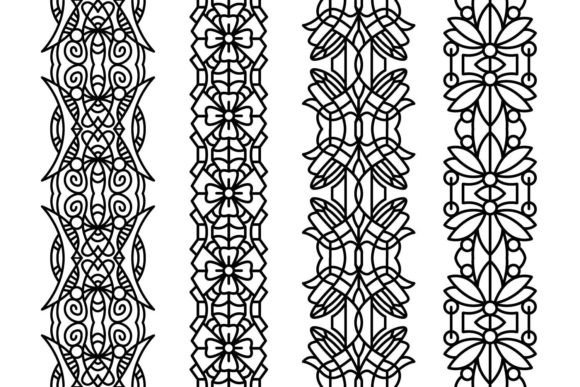
Ribbon lace patterns are characterized by their delicate, interwoven lines and ornamental motifs. These patterns are often used to add texture and dimension to fabrics, but their potential extends beyond textiles. In digital design, ribbon lace patterns can be adapted into scalable vector graphics (SVG), allowing for seamless integration into web and print materials. When paired with knitted lace trim patterns, these designs create a cohesive visual language that can unify brand identities or enhance product packaging.
The strategic use of ribbon lace patterns is particularly beneficial for businesses looking to differentiate themselves through visual identity. Whether it's adding subtle elegance to a website header or incorporating intricate detailing into product labels, these patterns can serve as a powerful visual cue that communicates quality, craftsmanship, and attention to detail.
Why High-Resolution Files Matter
When working with ribbon lace patterns, the choice of file format plays a crucial role in maintaining design integrity. High-resolution JPG files (300 ppi) ensure clarity and sharpness in printed materials, while PNG files with transparent backgrounds allow for flexible layering in digital compositions. For designers who require full scalability and editability, vector-based formats like SVG, AI, and EPS 10 are essential. These formats preserve the fine details of the pattern and enable customization without loss of quality.
Having access to multiple file types—such as four JPGs, four PNGs, four SVGs, one AI file, and one EPS 10 file—provides designers with the flexibility to apply ribbon lace patterns across various mediums. This versatility is especially important when planning long-term branding strategies or developing multi-channel marketing campaigns.
Strategic Use Cases for Ribbon Lace Patterns
Ribbon lace patterns can be strategically deployed in several contexts to achieve specific goals. Here are some key use cases where these patterns can make a meaningful impact:
- Product Packaging: Incorporating ribbon lace patterns into product packaging can enhance perceived value and create a sense of luxury. These patterns are ideal for niche markets such as bridal, accessories, and premium skincare products.
- Brand Identity Elements: From logos to business cards, ribbon lace patterns can be used to reinforce brand personality. Their intricate nature makes them suitable for brands that want to convey sophistication and tradition.
- Web and Digital Design: When used as background elements or decorative accents, ribbon lace patterns can add depth and interest to websites, landing pages, and social media content. The availability of PNG files with transparent backgrounds ensures that these patterns integrate seamlessly with other design elements.
- Print Materials: Brochures, invitations, and stationery can benefit from the refinement that ribbon lace patterns bring. Their timeless appeal makes them a popular choice for events, weddings, and formal communications.
Planning Tips for Effective Integration
To ensure that ribbon lace patterns align with your overall design strategy, consider the following planning tips:
- Define Your Goals: Before selecting a ribbon lace pattern, clarify the purpose. Are you aiming to evoke elegance, tradition, or modern minimalism? Your choice should reflect the core values of your brand or project.
- Match the Pattern to the Context: Not all ribbon lace patterns are interchangeable. Some are more suited for formal settings, while others may be better for casual or contemporary designs. Evaluate how the pattern interacts with other design elements.
- Test Across Mediums: Always test the pattern in both digital and print formats. Ensure that the resolution and color accuracy meet your expectations. This step is critical when using high-resolution JPG and PNG files.
- Consider Scalability: If you plan to use the pattern across multiple platforms or in large-scale prints, opt for vector formats like SVG, AI, or EPS 10. These formats maintain quality regardless of size.
Knitted Lace Trim Patterns: Enhancing Visual Cohesion
Knitted lace trim patterns complement ribbon lace designs by offering a tactile and dimensional counterpart. These trims are often used in clothing, home textiles, and decorative items. When combined with ribbon lace patterns, they create a layered effect that adds complexity and visual interest.
Incorporating knitted lace trim patterns into your design strategy requires careful consideration of texture, scale, and placement. These trims are best used in areas where subtle detailing can make a significant impact, such as hems, collars, or edging on fabric-based products.
For digital applications, knitted lace trim patterns can be digitized and used as part of a larger visual composition. This approach allows for creative experimentation while maintaining the authenticity of the original material.
Line Art Seamless Tape Patterns: A Versatile Design Tool
Line art seamless tape patterns are an excellent addition to any designer’s toolkit. These patterns consist of continuous, repeating line drawings that can be used as borders, backgrounds, or decorative elements. When paired with ribbon lace and knitted lace trim patterns, they provide a cohesive and visually rich design language.
The advantage of line art seamless tape patterns lies in their adaptability. They can be scaled, recolored, and layered to suit different design needs. Their clean, minimalist aesthetic makes them ideal for modern branding, editorial layouts, and digital interfaces.
With high-resolution versions available in both JPG and PNG formats, these patterns are well-suited for both print and digital use. The transparent PNG files allow for easy integration into complex layouts without disrupting the visual hierarchy.
Key Considerations Before Using Ribbon Lace Patterns
While ribbon lace patterns offer numerous benefits, their effective use depends on thoughtful planning and execution. Here are some key considerations to keep in mind:
- Avoid Overuse: While these patterns can add elegance, excessive use can overwhelm the design. Apply them selectively to highlight key elements rather than cover entire surfaces.
- Ensure Cultural Relevance: Certain lace patterns carry historical or cultural significance. Be mindful of this when designing for global audiences or specific market segments.
- Balance with Simplicity: Ribbon lace patterns work best when balanced with simpler design elements. Too much ornamentation can detract from readability and usability, especially in digital interfaces.
- Align with Brand Voice: The choice of pattern should reflect the tone and personality of your brand. A highly detailed lace pattern may not be appropriate for a minimalist or tech-focused brand.
Potential Risks of Misapplication
Using ribbon lace patterns without clear goals or context can lead to misalignment with brand messaging or user experience. For instance, applying a traditional lace pattern to a modern product could create confusion or dilute the intended message. Similarly, using low-resolution images in print can result in poor quality and damage brand perception.
To avoid these risks, it's essential to align the use of ribbon lace patterns with a broader design strategy. Conduct user testing, gather feedback, and refine your approach based on real-world performance.
Conclusion: Elevate Your Design Strategy with Ribbon Lace Patterns
Ribbon lace patterns offer a unique opportunity to infuse elegance, tradition, and sophistication into your design projects. Whether you're enhancing product packaging, refining brand identity, or creating visually compelling digital content, these patterns can serve as a powerful tool when used intentionally.
By leveraging high-resolution file formats and integrating complementary elements like knitted lace trim patterns and line art seamless tape patterns, you can create a cohesive and impactful visual identity. As you explore the possibilities, remember to align your choices with strategic goals, user needs, and brand values. With careful planning and thoughtful execution, ribbon lace patterns can become a valuable asset in your creative toolkit.